Call a drain company about a clogged kitchen sink and you’ll hear one of two words: snake or jet. Both are real tools, both are the right answer some of the time, and picking the wrong one is how the same sink clogs again a few weeks later. Here is the difference in plain English, aimed at the kitchen line in particular.
What a kitchen snake does
A drain snake (also called a cable machine or auger) feeds a flexible steel cable into the line through the sink drain, the trap or a cleanout. The cable spins, and a cutting head on the end bores through whatever is stopping the water. For a kitchen line, that is usually a smaller machine with a thinner cable that can make the tight turns behind the cabinet.
- Good for: a soft plug of food or paper near the sink, a single clog in a line that has been fine for years, and getting water moving fast when the sink is full.
- Not good for: grease stuck to the pipe wall. The cutting head is smaller than the pipe, so it makes a hole through the middle and leaves the coating behind.
What hydro jetting does
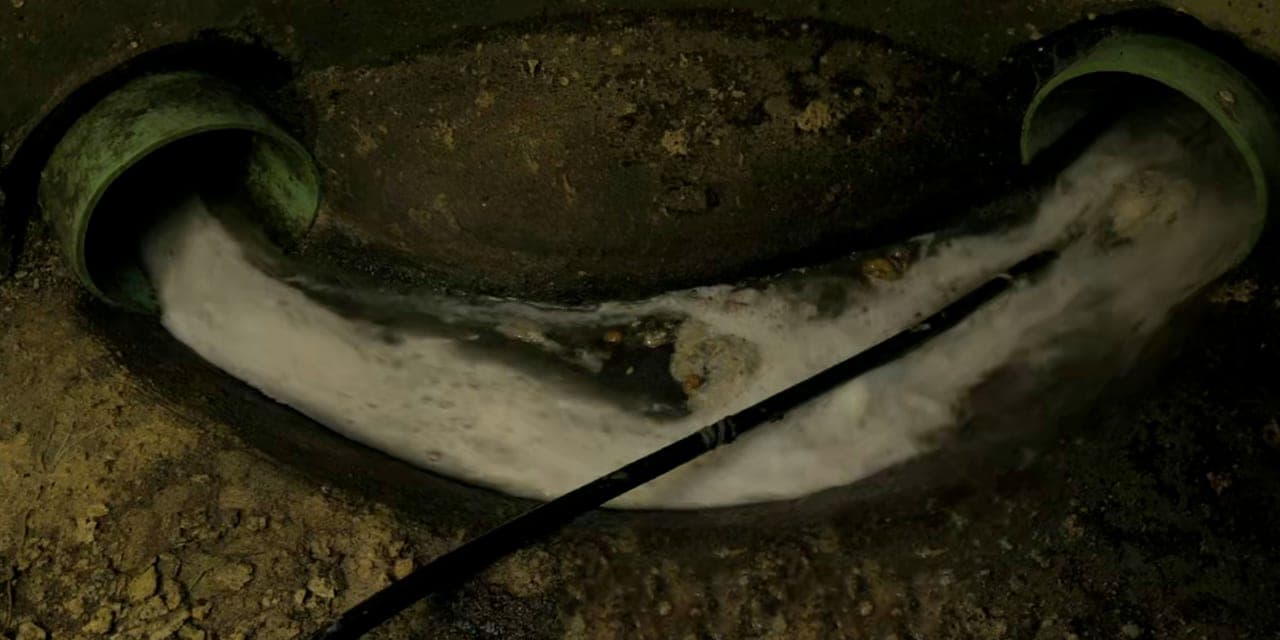
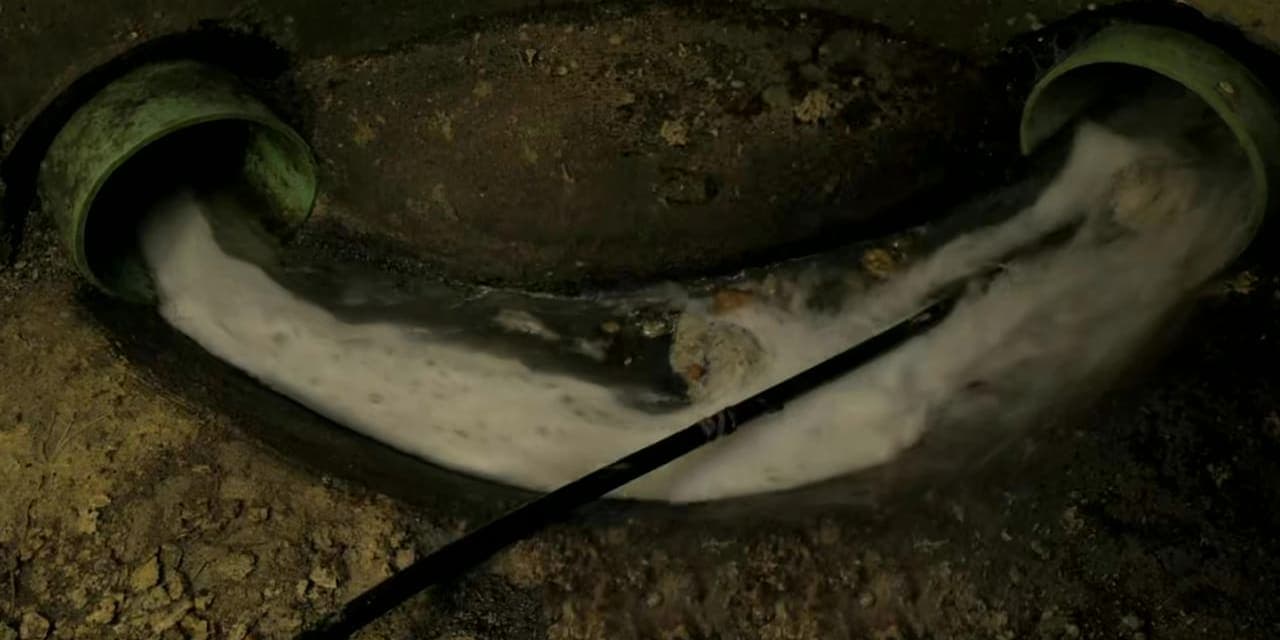
A jetter pumps water through a high pressure hose to a nozzle. Jets on the back of the nozzle pull it up the line and blast the full circle of the pipe wall as it goes. Ours runs at 4000 PSI and 9 GPM: the pressure cuts and scours, and the flow carries the loosened grease and sludge down and out of the line instead of leaving it to settle again.
- Good for: grease-coated kitchen lines, sinks that clog again weeks after they were snaked, long runs to the main, and restaurant or apartment kitchens.
- The result: the pipe back toward its full width, not a hole through the middle. A cleaned line stays clear much longer than a snaked one.
Snaking vs. jetting for a kitchen line, side by side
| Compared | Snaking | Hydro jetting |
|---|---|---|
| What it does | Bores a hole through the clog | Scours grease off the whole pipe wall and flushes it out |
| Best for | One soft clog, getting water moving | Grease buildup, repeat clogs, long kitchen runs |
| What it leaves behind | Most of the grease on the wall | A clean pipe, close to full width |
| How long it lasts | Until the leftover grease catches the next clog | Much longer; grease builds back slowly |
| Before we use it | A camera look at what is in the line | A camera look that the pipe is sound enough to jet |
Want to see it? Our clearing vs. cleaning animation shows a blocked pipe, a snaked pipe that is still dirty, and a jet-cleaned pipe. For main sewer lines, roots and cast iron, the longer guide is hydro jetting vs. snaking.
Why the camera comes first
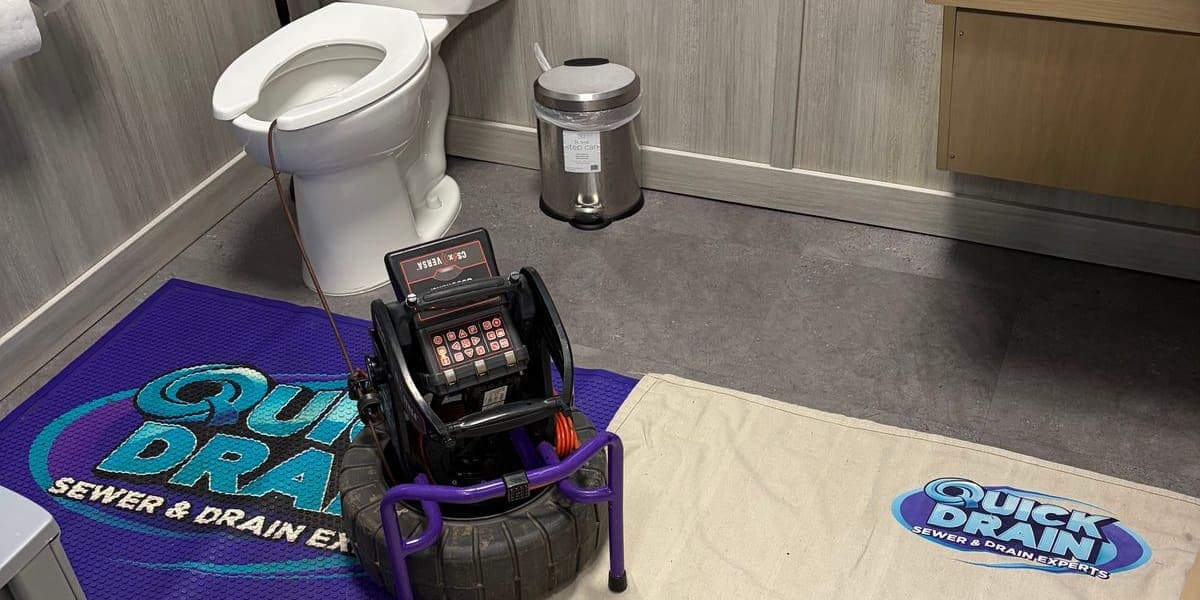
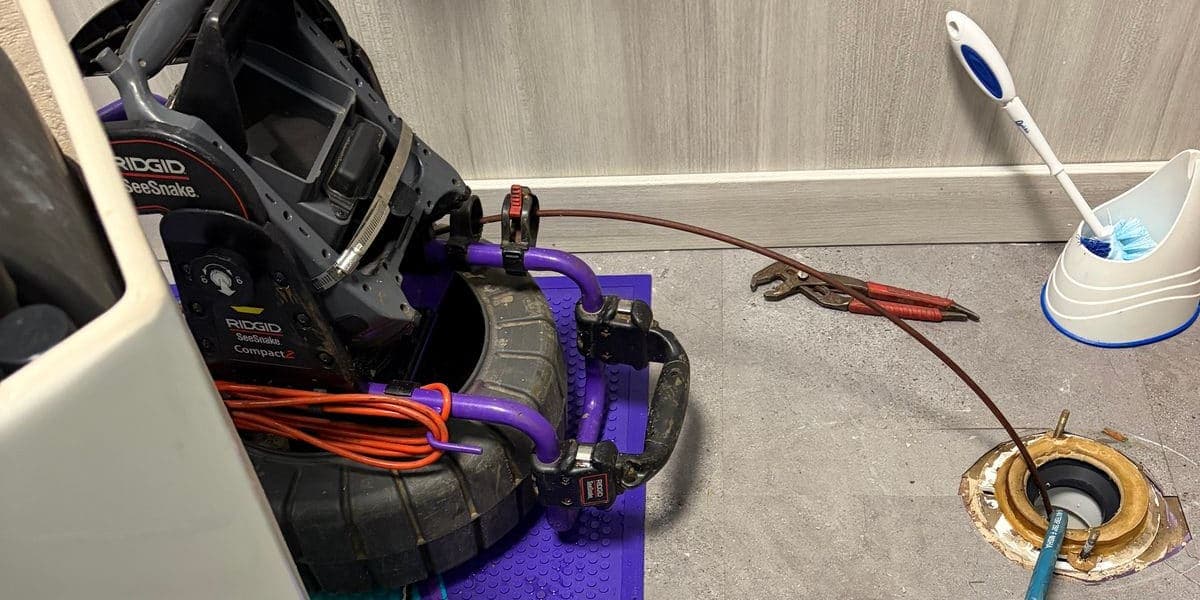
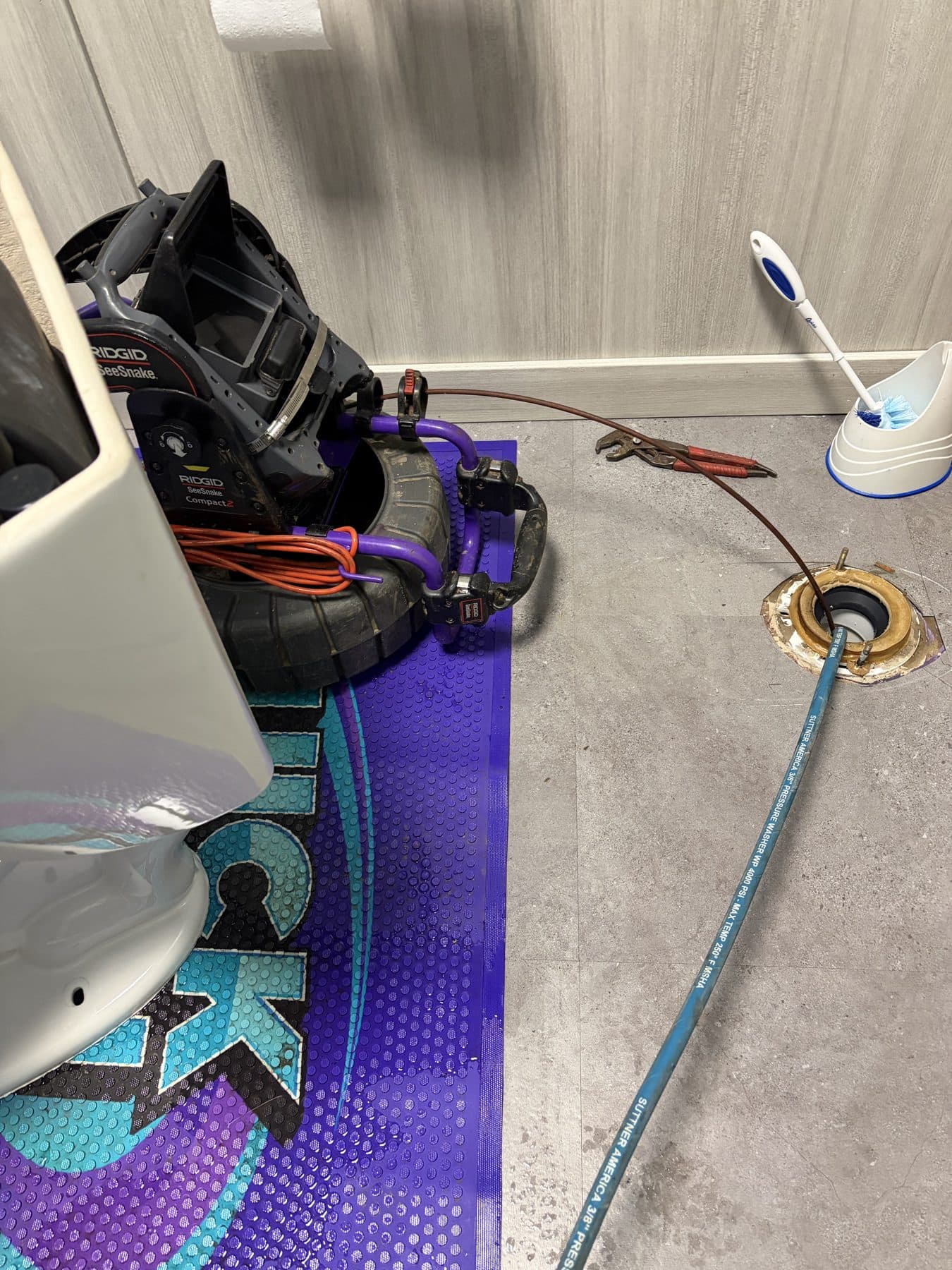
Without a camera, anyone working on your drain is guessing. They feel the cable stop and come back, and that is all they know. With a camera, we see whether it is a soft plug, years of grease, scale in an old metal pipe, a sag holding water, or a broken section. That is why camera first is how we work: we look before we choose a tool, and you see the same footage we do.
When the footage says snake
A single soft clog in an otherwise clean pipe. The snake opens it, the camera confirms the wall is clean, and you are done.
When the footage says jet
Grease lining the pipe, food packed along a long run, or a sink that was snaked recently and is slowing again. That is a cleaning job, and high pressure water jetting is the tool. We go deeper on why kitchen lines coat up in grease and kitchen drains.
When the footage says neither
High pressure is for sound pipe. Badly corroded or cracked pipe, Orangeburg, or a collapsed section can get worse under a jetter, so those lines get a different plan. Heavy scale in old cast iron may need pipe descaling instead. A sag that holds water is a repair question, not a cleaning one.
Kitchen lines on Long Island
- Older homes across Nassau and Suffolk often have metal kitchen lines that roughen inside with age, and grease grabs onto a rough wall faster.
- Long runs to the main, common in ranches and split-levels, give grease more cool pipe to settle in.
- Cesspools and septic systems. Much of Suffolk, and parts of Nassau, drain to a private system. Grease that clears the kitchen line ends up there, which the US EPA’s septic care guidance warns against. If every drain in the house is slow, a septic and cesspool inspection checks the system itself.
Before Thanksgiving: which do you need?
- Sink fine all year, clogged once today? Probably a single clog. A snake may be all it needs, after a camera look.
- Slow since summer, gurgling, or snaked before? That is buildup on the wall. Get it jetted before the guests arrive, not during dinner.
- Kitchen plus other drains acting up? That points past the kitchen line, to the main. Call; don’t wait. Our symptom checker helps narrow it down.
- Want a ballpark first? The emergency cost calculator gives a likely range in a few steps. The camera sets the final price, and you approve it before we start.
More holiday prep: what not to put down the drain on Thanksgiving, and what to do if a drain backs up before the guests arrive.
Questions we get
What is the difference between snaking and hydro jetting?
A snake bores a hole through the clog with a spinning cable. Hydro jetting uses high pressure water to scour the whole pipe wall and flush the buildup out. Snaking opens a drain; jetting cleans it.
Is snaking enough for a kitchen sink?
For a single soft clog in a clean pipe, yes. For grease buildup, no: the snake leaves the grease on the wall and the sink clogs again. The camera shows which one you have.
Is hydro jetting safe for my pipes?
On sound pipe, yes. That is why we run the camera first. Badly corroded, cracked or collapsed pipe can be damaged by high pressure, so it gets a different plan.
Why does my kitchen sink keep clogging after it was snaked?
Because the snake opened a channel through the grease but left the coating on the walls. The next load of food and fat catches on it. Jetting removes the coating.
Do you jet kitchen lines in Nassau and Suffolk?
Yes, across both counties. Call or book online from our help page.