For most Long Island homes, Thanksgiving is the one day a year the kitchen drain works hardest. More cooking, more pans, more people, more dishwasher loads, all inside a few hours. A sink line that has been a little slow since summer is exactly the one that gives up between the turkey and the pie. Here is what to keep out of it, and what to do if it backs up anyway.
Why the kitchen drain struggles on Thanksgiving
A kitchen line is usually a small pipe with a long horizontal run to the main stack. That is plenty of cool, slow-moving pipe for grease to set in. On an ordinary day a little fat and a few scraps go down. On Thanksgiving it is drippings, gravy, butter, potato water, stuffing and a dishwasher running back to back. Grease that was coating the pipe all year now has a lot more to catch. We go deeper on that in grease and kitchen drains.
What not to put down the drain on Thanksgiving
- Turkey fat, drippings and gravy. Liquid when hot, solid when it cools a few feet down the pipe. Let it cool and put it in a can or jar with a lid, then in the trash.
- Butter, oil and cream. Same story as turkey fat. Wipe pans with a paper towel before they go in the sink.
- Potato peels. They clump into a paste in the disposal and the trap. Peel onto a towel or straight into the trash.
- Stuffing, rice and pasta. Starches swell with water and pack into the line.
- Coffee grounds. They don’t dissolve. They settle in the pipe and mix with grease into a heavy sludge.
- Bones, eggshells and fibrous scraps. Celery, onion skins, squash and corn husks wrap around the disposal and catch everything behind them.
- Cranberry and pie filling in quantity. Small amounts rinse away; a whole pan of leftovers belongs in the trash.
A drain-friendly game plan for the day
- Set up a grease can by the stove before you start cooking. An empty can or a jar with a lid is all you need.
- Put a strainer in every sink and empty it into the trash, not the disposal.
- Scrape plates into the trash before they go in the sink or the dishwasher. Ask a helper to own this job.
- Use the disposal lightly: small scraps only, with cold water, and let it run a few seconds after the grinding stops.
- Space out the dishwasher and the laundry. Running both while the sink is full sends a lot of water into one line at once.
- Watch for early signs: water draining slower, gurgling, or the dishwasher leaving water in the sink. Those are your warning before a backup.
If the kitchen sink backs up anyway
Do this first
- Stop running water in that sink and pause the dishwasher.
- Check the other drains. If only the kitchen sink is slow, it is probably the kitchen branch. If toilets, tubs or a basement floor drain are acting up too, it is likely the main line, and that is a call right away. Our symptom checker helps you tell which.
- A cup plunger on the sink can help with a soft clog near the trap. On a double sink, block the other drain first. Never plunge after a chemical opener has gone in.
Skip the chemicals
Caustic drain openers rarely clear a grease-coated line, they are hard on older pipes, and they leave a sink full of harsh water for whoever opens the line next. If your house drains to a cesspool or septic system, whatever you pour in ends up there too.
Know when it is time to call
If the sink won’t drain after a few gentle tries, if more than one fixture is affected, or if it’s the second clog this season, call. A clog that keeps coming back means there is buildup on the pipe wall, and that needs the right tool. We explain the difference in kitchen drain snaking vs. hydro jetting.
How we handle a holiday kitchen clog
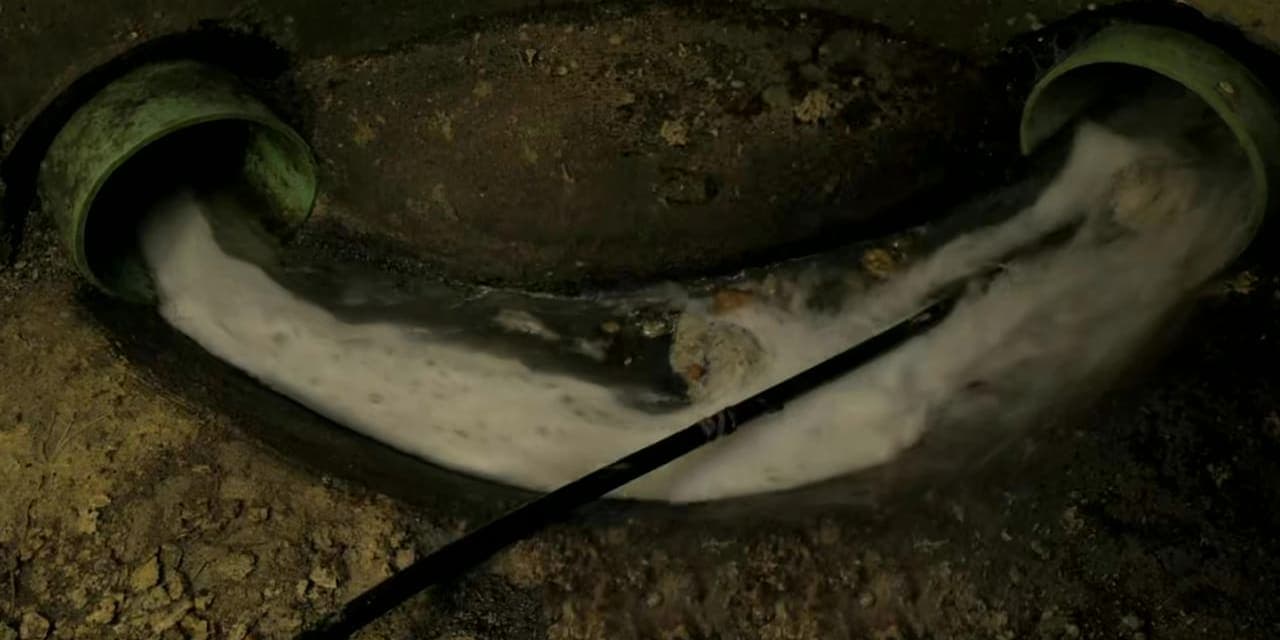
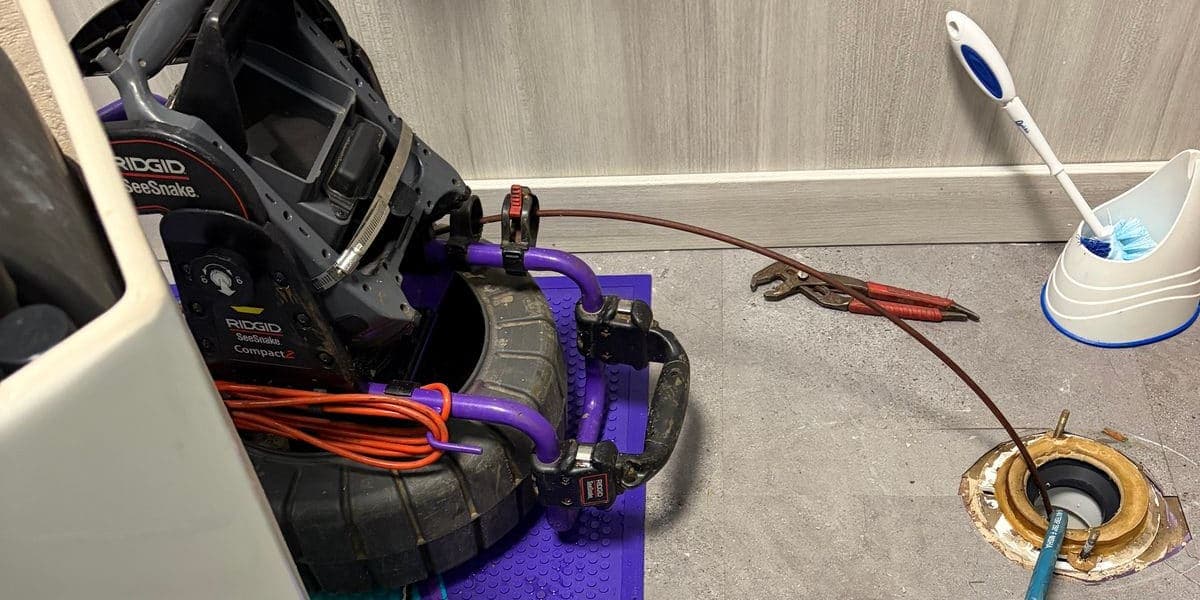
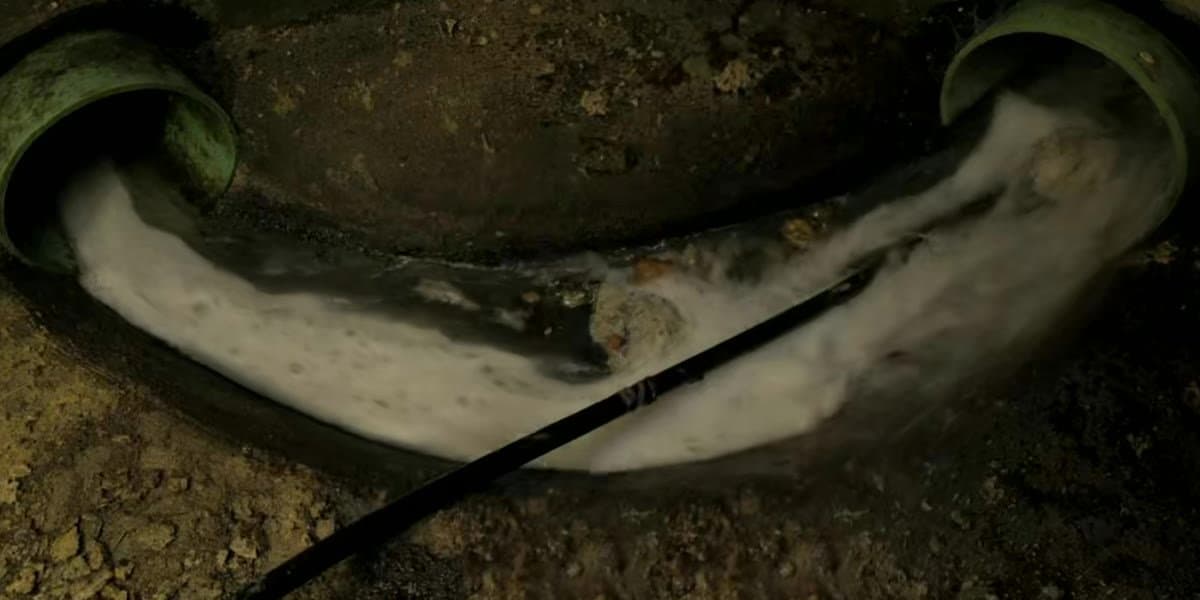
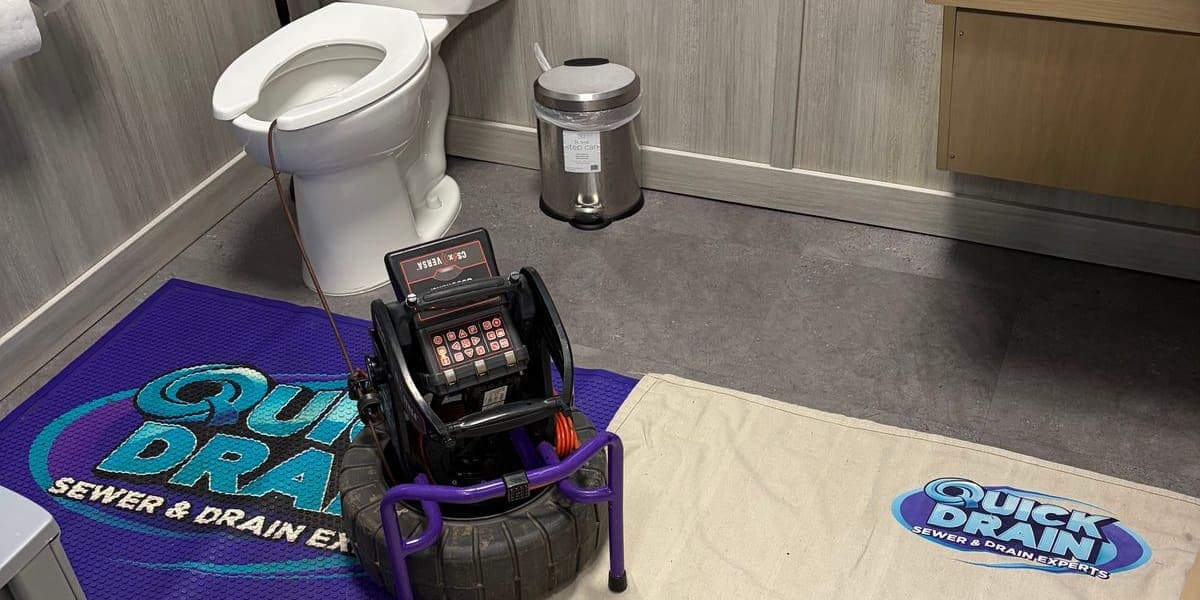
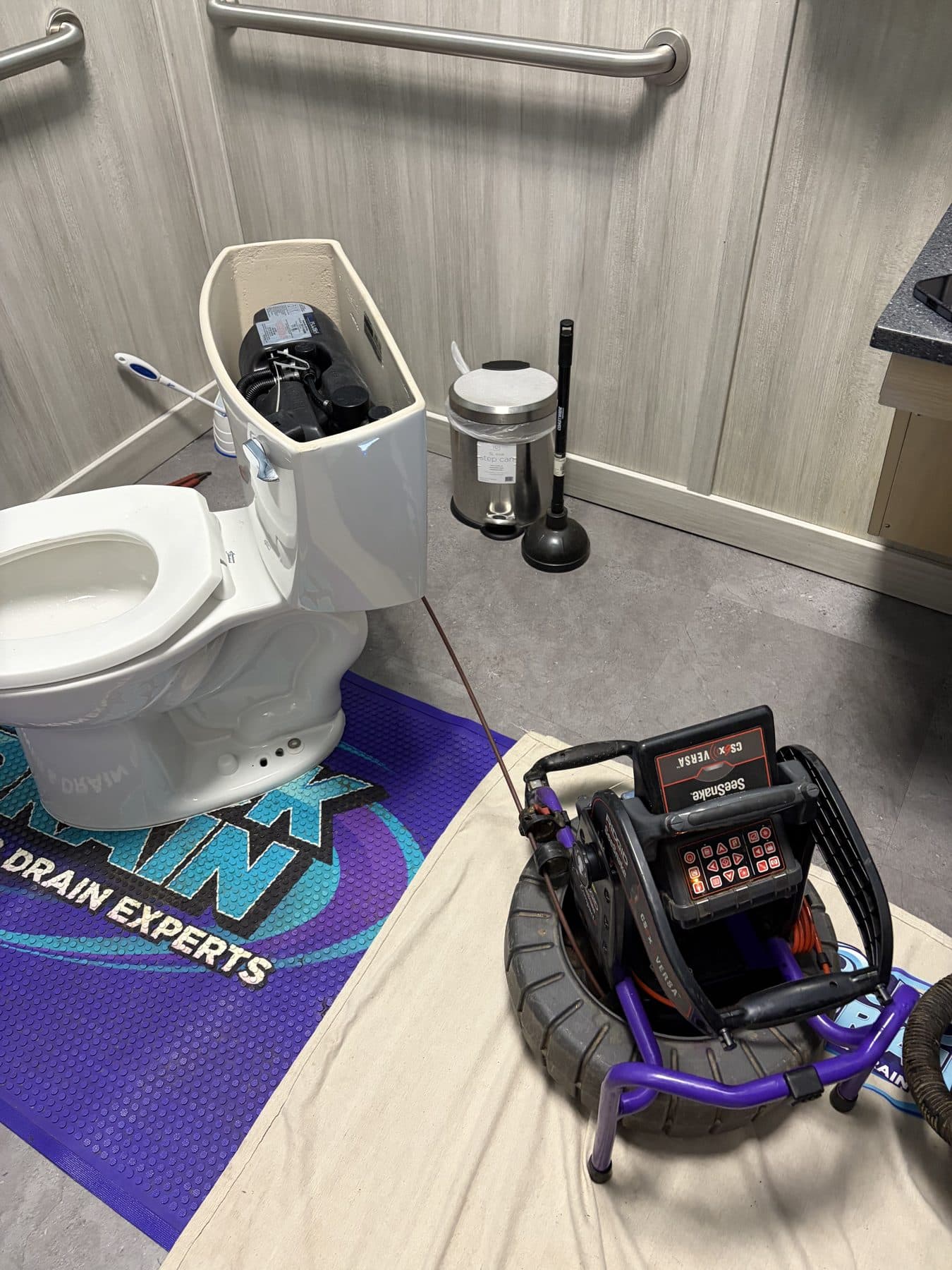
Camera first is how we work. We look in the line before deciding how to clear it, because a kitchen clog can be a soft plug near the trap, years of grease along the wall, or a problem farther down in the main. The footage decides whether a snake opens it or the line needs high pressure water jetting to clean it wall to wall. You see what we see, and you approve the price before we start.
Cesspools, septic and the holiday crowd
A lot of Long Island, most of Suffolk especially, drains to a cesspool or septic system instead of a sewer. A full house for the long weekend means more showers, more flushes and more laundry going into that system, on top of the kitchen. Grease is especially hard on it: the US EPA’s septic care guidance says to keep cooking oil and grease out of the drain. If every drain in the house slows down at once, the system itself may be the problem. A septic and cesspool inspection tells you, and cesspool vs. septic tank on Long Island explains what you have.
After the guests go home
A sink that drained fine on Thursday can slow down on Saturday. Grease that went down during dinner keeps cooling and hardening in the line for days. If that sounds familiar, read after the feast: why grease clogs show up days later. For a rough idea of costs before you call, the emergency cost calculator gives a likely range in a few steps.
Questions we get
Can I pour turkey grease down the drain if I run hot water with it?
No. Hot water only carries the grease a little farther before it cools and sets on the pipe wall. Let it cool, pour it into a can or jar with a lid, and put it in the trash.
Can the garbage disposal handle potato peels?
It is one of the most common holiday clogs. Peels turn into a starchy paste that packs the disposal and the trap. Put peels in the trash.
My kitchen sink is backing up on Thanksgiving. What should I do first?
Stop running water in that sink and pause the dishwasher. Check whether other drains are slow too. If they are, it is likely the main line, so call. If it is only the kitchen sink, a gentle try with a cup plunger is fine; skip chemical openers.
Why does my sink clog every holiday?
Usually because the line has grease built up along the wall all year and the holiday load closes the gap. Snaking opens a hole through it; jetting cleans the wall. The camera shows which one your line needs.
Do you work in my town?
We serve Nassau and Suffolk Counties. Call or book online from our help page.