It is a familiar pattern after a holiday. The kitchen handled Thanksgiving dinner just fine. By the weekend, the sink takes a little longer to drain. By Monday it gurgles when the dishwasher runs. Nothing new went down the drain, so what changed? The answer is what the holiday grease has been doing in the pipe since Thursday.
What happens to grease after it goes down the drain
Drippings, gravy, butter and roasting-pan fat are liquid when they are hot. Hot dishwater carries them a little way down the line, then the water cools and the fat starts to set on the pipe wall. That doesn’t happen all at once. Over the next hours and days, more fat settles out, firms up, and grabs onto anything passing by.
- It sets in layers. Each round of dishes adds a little more coating, and a holiday adds a lot of rounds in one day.
- It catches food. Peels, rice, stuffing and coffee grounds stick to the soft grease and thicken it.
- It hardens with time. Grease can react with minerals in the water and harden into a soap-like deposit that is much tougher than the original fat.
- It moves downstream. Grease that gets past the kitchen line settles farther along, in the main line or in a cesspool or septic system.
Why the clog shows up days later
The pipe was already narrowing
Most kitchen lines carry a thin coat of grease all year. Thanksgiving doesn’t start the problem; it finishes it. A big dose of fat and food on top of an existing coating is often all it takes to close the gap. We explain the year-round side in grease and kitchen drains.
Leftovers keep coming
The days after the holiday mean reheated leftovers, more roasting pans, and more dishes. Every round adds a little more to a line that is already struggling.
The house is still full
Guests staying the weekend mean more showers, more laundry and more flushing. If the kitchen drains into the same main line, all that extra water arrives at the same partly blocked spot.
Signs the holiday grease is catching up with you
- The kitchen sink drains slower each day, and plunging helps only briefly.
- Gurgling from the sink when the dishwasher or washing machine drains.
- The dishwasher leaves water standing in the sink.
- A sour or rancid smell from the kitchen drain.
- Water coming up in a basement floor drain or a lower fixture when the kitchen is used. That means the problem is past the kitchen line, in the main, and it is a call right away. Our symptom checker helps narrow it down.
Why another snaking won’t last
A snake bores a hole through the middle of the grease. Water drains again, which feels like a fix, but the coating on the walls is still there, and it catches the next round of food and fat. That is why a kitchen line that was snaked after one holiday is often slow again by the next. Snaking is the right tool for a single soft clog; for a grease-coated line, it opens the drain without cleaning it. The full comparison is in kitchen drain snaking vs. hydro jetting, and our clearing vs. cleaning animation shows the difference.
How a grease-coated line gets cleaned
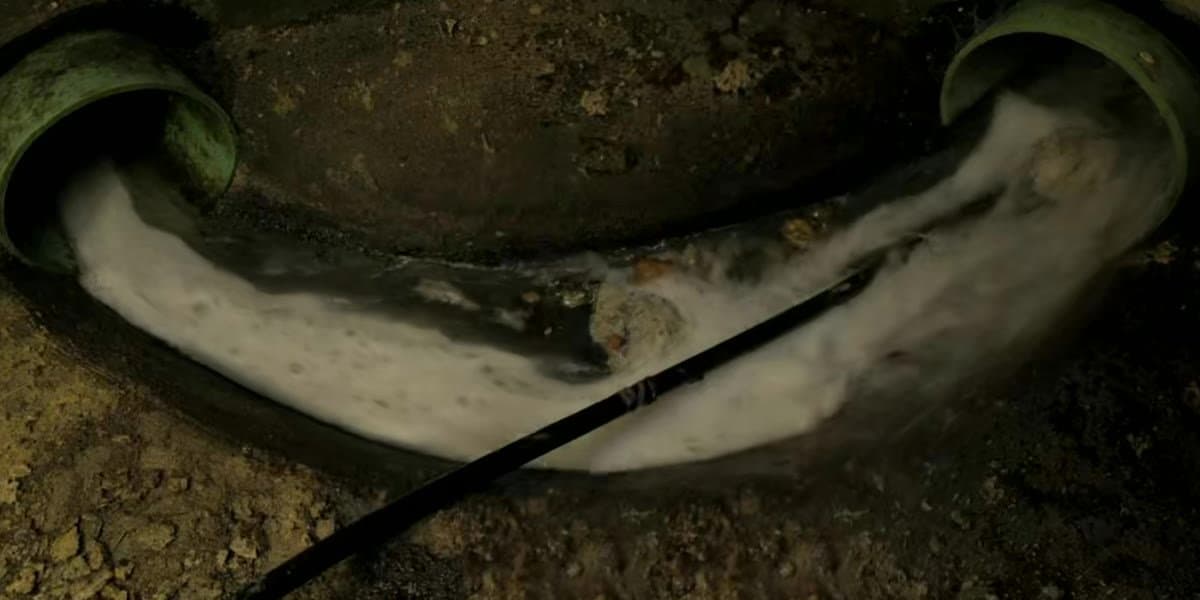
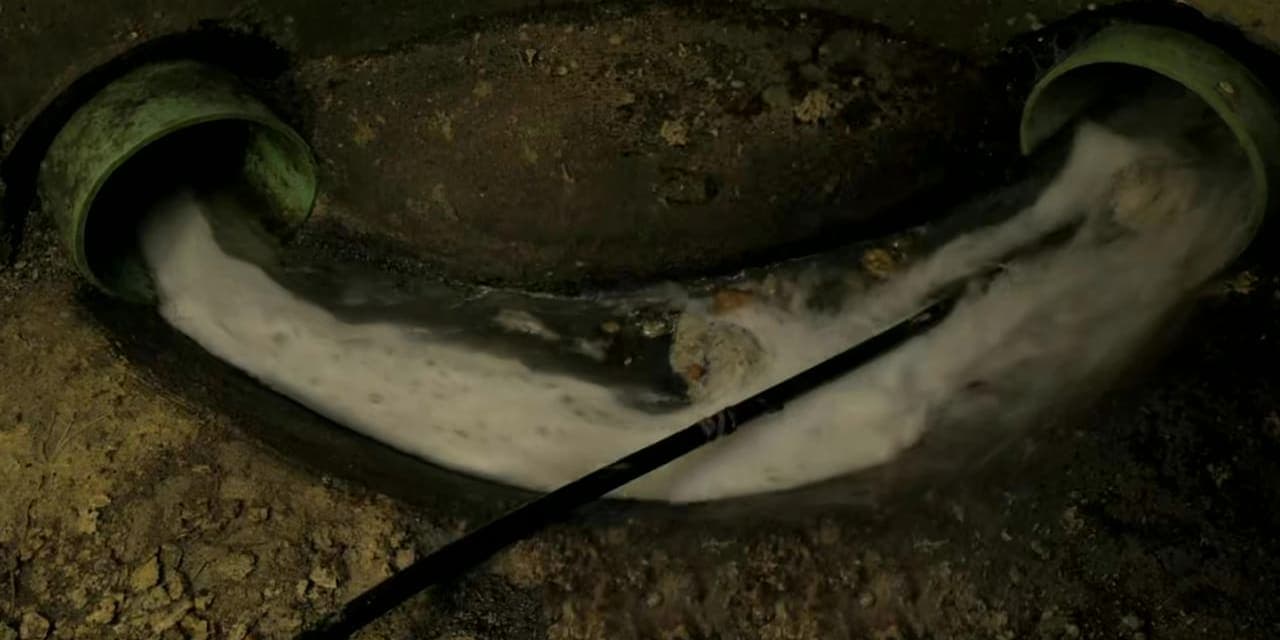
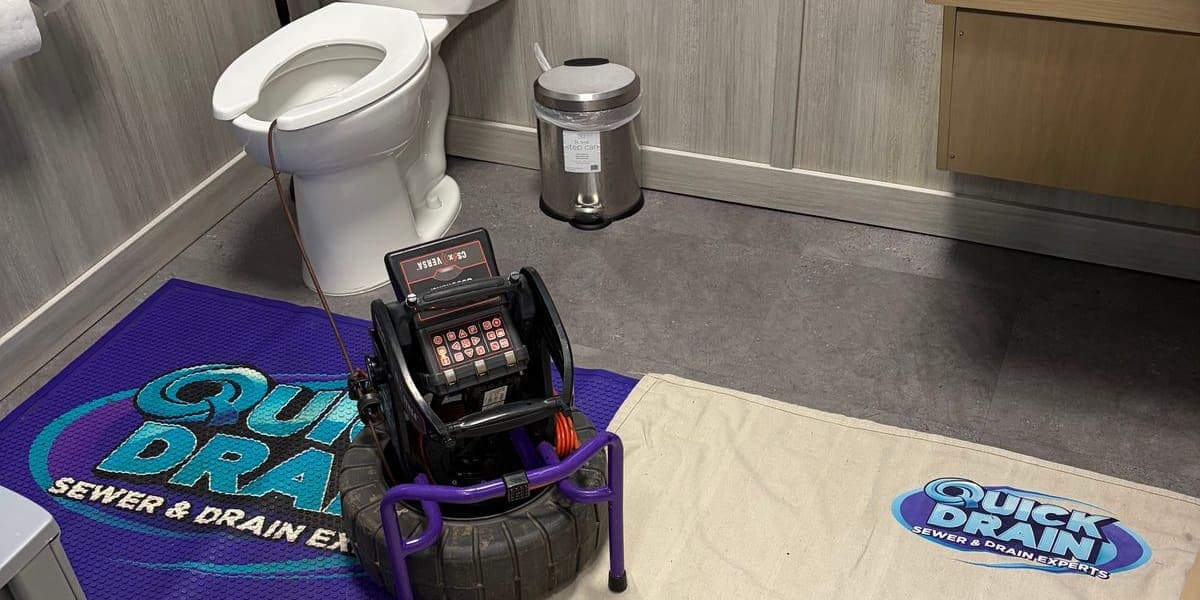
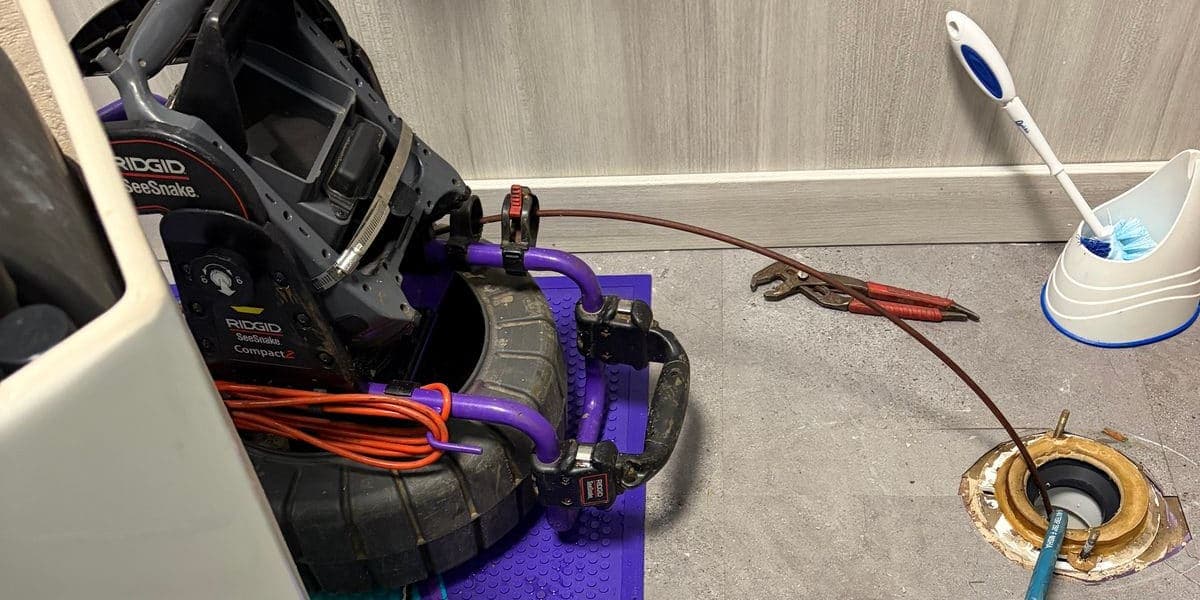
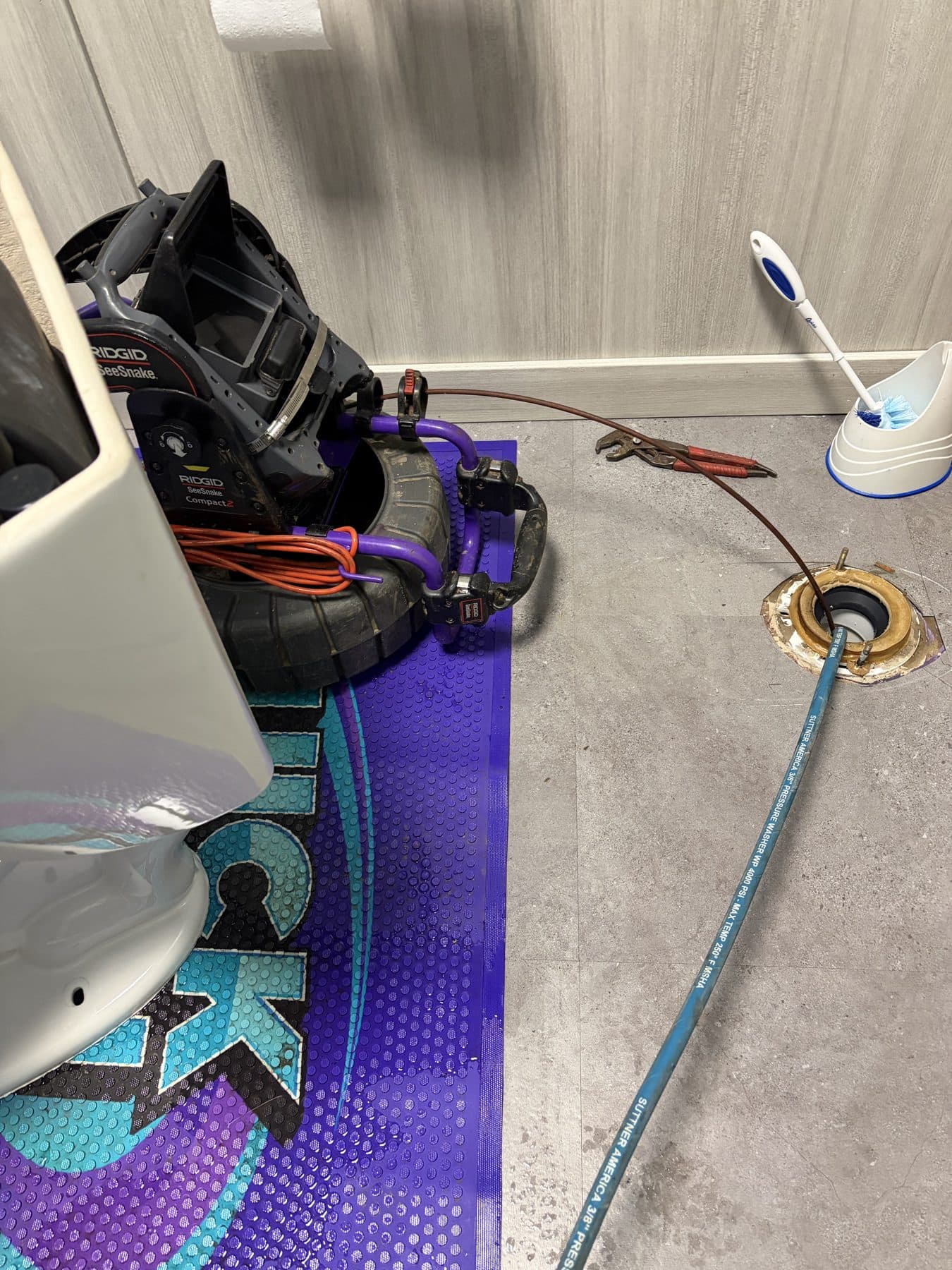
- Camera first. We look in the line to see how much grease is there, where it sits, and that the pipe is sound enough to jet. You see the footage.
- Jet the line. High pressure water jetting at 4000 PSI and 9 GPM scours the whole circle of the pipe wall and flushes the grease out instead of pushing it farther along.
- Camera after. A second look confirms the pipe is clean to the wall, not just open in the middle.
- A plan for next time. If the footage shows a sag that holds grease, or old cast iron with heavy scale that grease grabs onto, that changes the plan. See cast iron drain pipes: descale, line or replace.
Grease and Long Island cesspools
Much of Long Island, most of Suffolk especially, drains to a cesspool or septic system rather than a sewer. Grease that clears the kitchen line ends up there. In a cesspool it coats the walls and the soil around them, so liquid can’t soak away as well. The US EPA’s septic care guidance says not to pour cooking oil or grease down the drain. A full house for the long weekend adds extra showers, laundry and flushing on top of that. If every drain in the house is slow after the holiday, a septic and cesspool inspection shows whether the system is the problem.
Keeping the rest of the season clear
- Keep a grease can by the stove through New Year’s, not just Thanksgiving.
- Wipe roasting pans and greasy dishes with a paper towel before washing.
- Scrape plates into the trash and use a sink strainer.
- For ongoing care between cleanings, an enzyme product like our Drain Shot Enzyme is made for maintenance. It is not a fix for a line that is already blocked.
- If the sink is slow now, have it cleaned before the next holiday gathering, not during it. For a rough idea of costs, try the emergency cost calculator. More holiday tips: what not to put down the drain on Thanksgiving.
Questions we get
Why did my sink clog days after Thanksgiving and not on the day?
Grease keeps cooling and hardening on the pipe wall after it goes down, and food from leftovers keeps catching on it. The gap closes a little more each day until the sink slows or stops.
Will hot water or dish soap clear holiday grease?
Not for long. They move the grease a little farther down the line, where it cools and sets again, often somewhere harder to reach.
Is snaking enough for a grease clog?
It opens the drain but leaves the grease on the walls, so the line tends to clog again. Jetting cleans the wall. The camera shows which one your line needs.
Can holiday grease affect my cesspool?
Yes. Grease coats cesspool walls and the soil around them so liquid can’t soak away as well, and it adds to the scum layer in a septic tank. Keep it out of the drains.
Do you clean kitchen lines in Nassau and Suffolk?
Yes, across both counties. Call or book online from our help page.