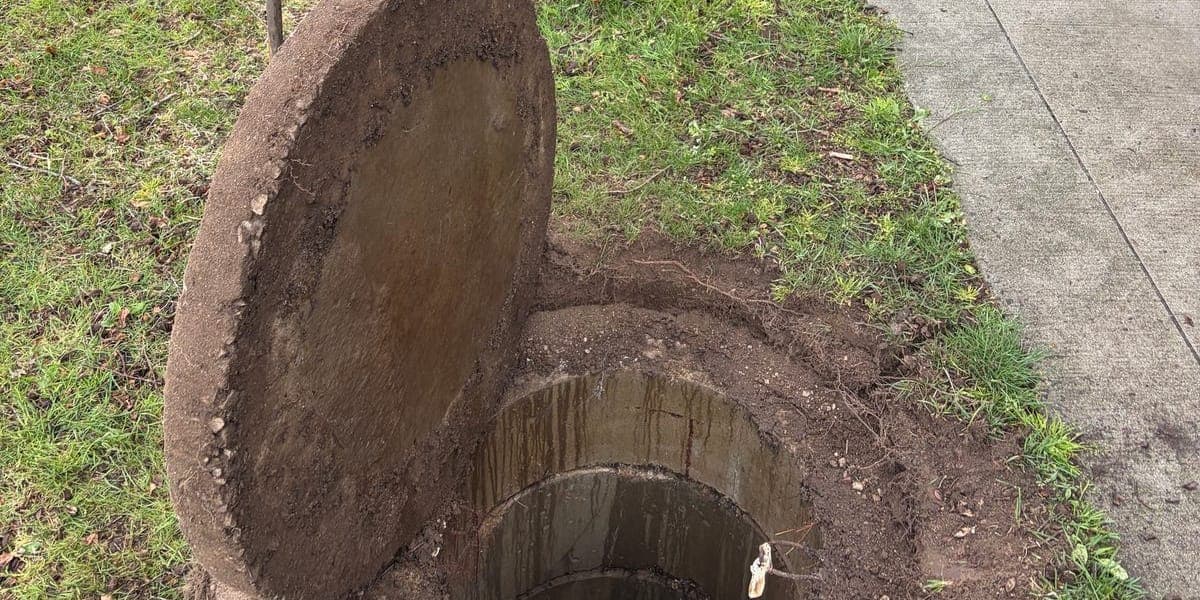
Suffolk County says nearly 70% of its homes use cesspools and septic systems, and those systems are a major source of the nitrogen that ends up in the groundwater and the bays. The county’s answer is a grant program, part of what it has long called “Reclaim Our Water,” that helps owners upgrade. If you have an old cesspool, especially one that is struggling, it is worth understanding before you replace anything. (Not sure what you have? Start with cesspool vs. septic tank on Long Island.)
What the grants pay for
The grants go toward an innovative/alternative onsite wastewater treatment system, usually shortened to I/A OWTS or I/A system. It is a septic system with an added treatment stage that removes far more nitrogen than a cesspool or a conventional septic tank. Suffolk already requires I/A systems for new homes and certain major renovations; the grants make the upgrade affordable for existing homes.
How much is available
| Program | Up to | How it is paid |
|---|---|---|
| Suffolk County SIP | $20,000 per property | Paid directly to an installer on the county’s approved list after installation; not a reimbursement |
| NYS Septic System Replacement Fund | 75% of eligible costs, capped at $25,000 | Paid to the installer or reimbursed to the owner after installation |
| Town Community Preservation Funds | Varies by town | Southampton, East Hampton and Shelter Island offer their own programs |
Who qualifies
According to the county, at a minimum your property must:
- Be an existing residential home: single-family, two-family, or single-family with one accessory apartment.
- Use a cesspool or septic system that will be replaced, and not be connected to sewers or inside a proposed sewer area.
- Have a valid certificate of occupancy and a current town property tax bill.
- Be current on property taxes, with no liens or foreclosure.
- Have a deed on file with the Suffolk County Clerk.
The state program focuses on priority areas that New York State and the county have identified for water quality. The county portal checks your address against both programs. If you aren’t sure whether your home is on a sewer, a cesspool or a septic system, our What’s Under My Home? tool is a quick first check, and our comparison of sewer connection vs. cesspool costs explains the long-term trade-offs.
How to apply, step by step
- Go to the county’s septic grant portal and search your address to confirm it is eligible.
- Answer the application questions, agree to the attestation and submit. The county’s flyer gives a phone number and email for questions.
- The Department of Health Services reviews the application and contacts you with next steps.
- Choose an installer from the county’s approved installer list. The county grant is paid to that installer, so this step matters.
- Get the project approved by the county’s Office of Wastewater Management. For a straight replacement, the installer usually applies on your behalf; if the replacement is part of an addition or renovation, a residential application goes in with your design professional.
- Once the grant is awarded and the system is installed, the grants are paid.
Things that trip people up
- Failures go first. The county says applications with a documented system failure are prioritized ahead of all others.
- Permit fees are on you. The county lists permit application fees as the homeowner’s responsibility and not eligible for the grant.
- Approval comes before the grant. Don’t start an installation and expect to be reimbursed by the county later; its grant is not a reimbursement program.
- I/A systems need upkeep. Plan for a maintenance contract and regular service after installation.
Where the money comes from
In November 2024, Suffolk voters approved the Water Quality Restoration Act, which created a dedicated one-eighth-cent sales tax for sewer projects and septic upgrades and set up a countywide wastewater management district. The state’s replacement fund was created by the Clean Water Infrastructure Act of 2017. In July 2025 the governor signed a law raising the state share for enhanced systems to 75% of eligible costs, up to $25,000, and announced a new funding round with most of it going to Suffolk.
Before you apply: know what you have
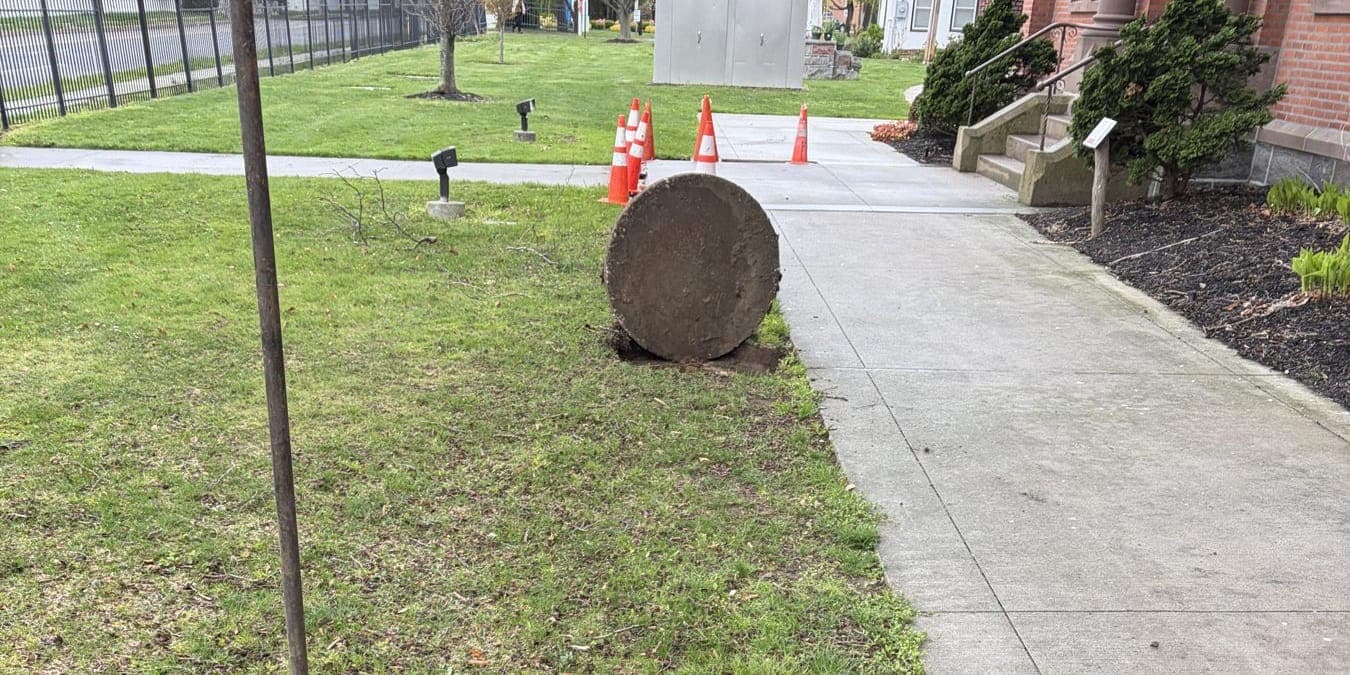
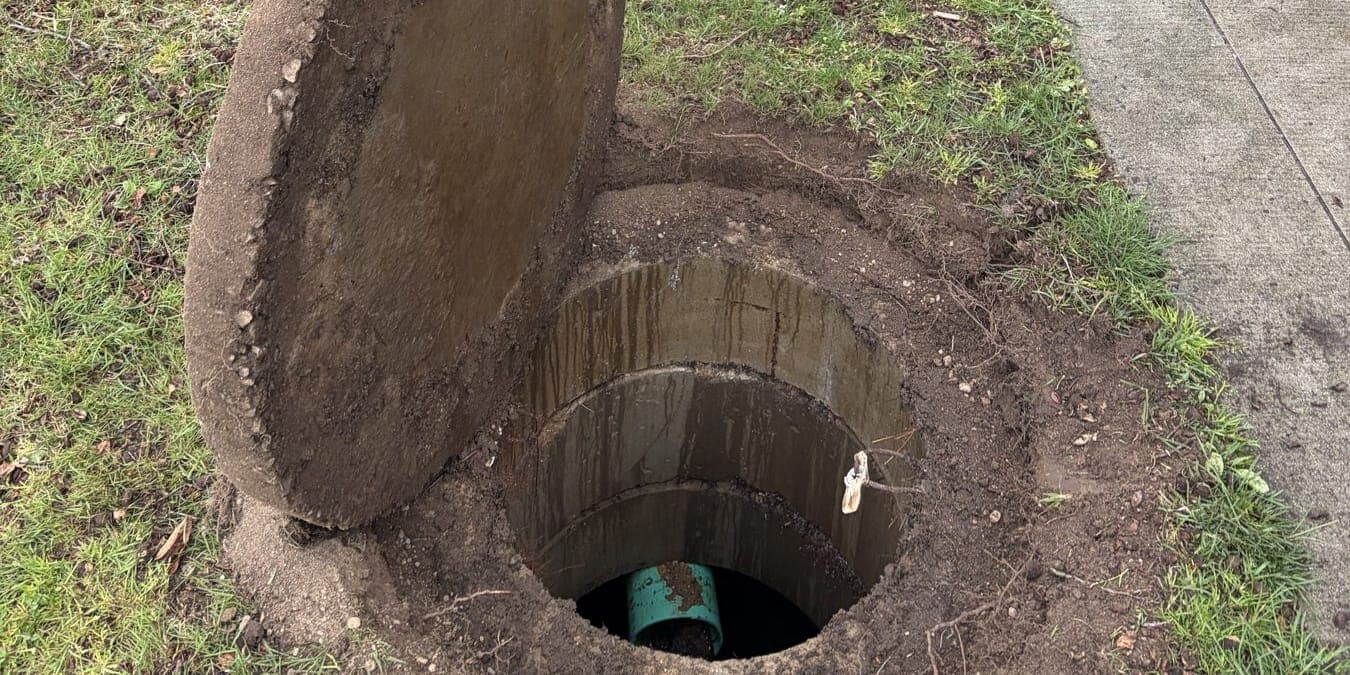
A grant application goes better when you know what is in the ground and what shape it is in. That is where an inspection helps. A septic and cesspool inspection locates the system, opens it, and runs a camera through the line from the house. The 512 Hz sonde marks where the line and structures are, which an installer and designer will need anyway.
- How many pools or tanks there are, where, and how deep.
- Whether the system is failing (backing up, overflowing, collapsing) or the real problem is the pipe from the house.
- Signs of structural danger, such as a cracked cover or a sinking ring. See cesspool collapse warning signs.
- Photos and video you can keep with your application and your house records.
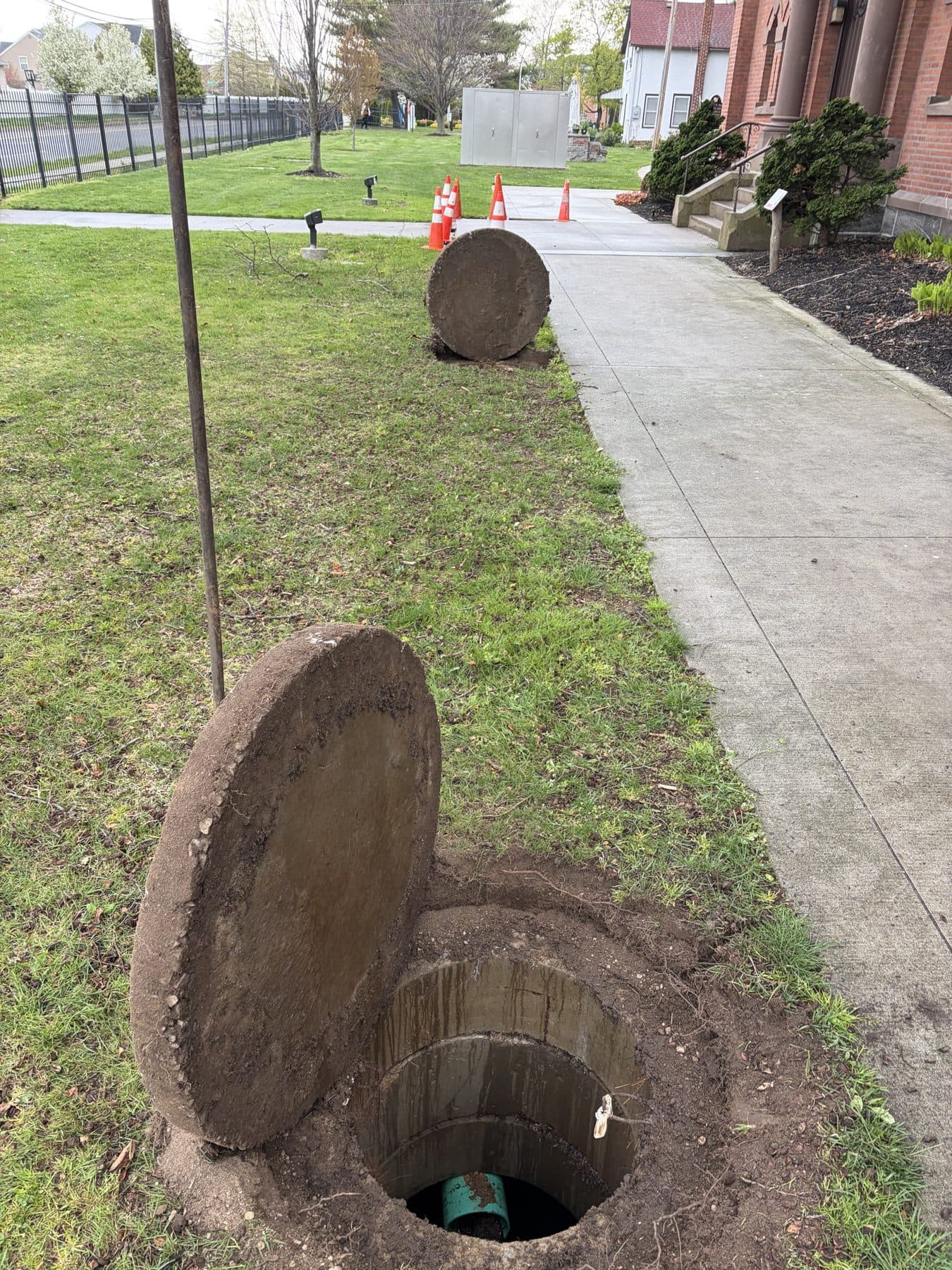
Many “my cesspool is full” calls are really a blocked line between the house and the system. A camera and, when needed, high pressure water jetting can tell the two apart before you replace anything. If you are backing up now, call (631) 888-6200, 24/7, and use the emergency cost calculator for a likely range.
In Nassau County?
Most of Nassau is on public sewers, but homes that aren’t have a separate program. The state’s septic fund page lists Nassau County’s SEPTIC program, which offers grants of up to $20,000 to replace failing systems with nitrogen-reducing ones. Contact Nassau County about eligibility.
Questions we get
How much is the Suffolk County septic grant?
As published in November 2026, the county SIP grant is up to $20,000 per property, and the state replacement fund can add up to 75% of eligible costs, capped at $25,000. The county says the two together can reach $45,000. Confirm current amounts on the county’s septic grant page.
Is the Suffolk septic grant a reimbursement?
The county grant is not. It is paid directly to an approved installer after installation. The state grant can be paid to the installer or reimbursed to the owner after installation.
Can I use any installer?
For the county grant, you choose from the county’s approved installer list. Check the list before you sign a contract.
Does my home qualify if it is on a sewer?
No. The program is for existing homes that use a cesspool or septic system and are not connected to sewers or inside a proposed sewer area.
What should I do before applying?
Find out what you have and what condition it is in. An inspection that locates the system and runs a camera through the line gives you facts for the application and the installer, and shows whether the problem is really the system or the pipe.