When a Nassau basement floods with sewage, the first question is usually “is this mine or the county’s?” The answer decides who pays, who you call, and how fast the water stops. It’s also one of the least understood parts of owning a home here.
The parts of your sewer connection
- House drain: the pipes inside the house that collect every fixture and leave through the foundation wall or the floor.
- House trap: in many older Nassau homes, a U-shaped trap on the main drain in the basement, with one or two cleanout plugs on top. It keeps sewer gas from the street out of the house.
- Lateral (also called the house sewer or house connection): the buried pipe from the house, under the front yard, to the main.
- Sewer main: the public pipe under the street that collects every house on the block, with manholes along it.
Who owns what in Nassau County
Nassau doesn’t have just one sewer operator. The county’s Department of Public Works says its plants treat most of the sewage collected in the county, and it lists ten independent treatment facilities as well, including the City of Long Beach, the Port Washington and Great Neck water pollution control districts and the Oyster Bay Sewer District. Six villages (Garden City, Freeport, Mineola, Hempstead, Roslyn and Rockville Centre) run their own collection districts that pump to county plants.
Across those systems the general pattern is the same: the public authority maintains the main, and the property owner maintains the private lateral that connects to it.
- The Village of Valley Stream’s lateral program guide describes the lateral as the pipe running under your front yard to the main in the street and says it is the homeowner’s responsibility to maintain and repair.
- The Village of Island Park’s program FAQ defines the lateral, for its program, as starting after the house trap and running to the curb line past the sidewalk.
- Town sewer district rules on the North Shore generally make the owner responsible for permits to open the road for a connection, with the district deciding where the connection to the main goes.
Why the boundary varies
Some codes stop the owner’s responsibility at the curb or property line and treat the short piece under the road (sometimes called the “lower lateral”) separately; others treat the whole run to the main as private. Shared laterals, easements and older connections add exceptions. The only reliable answer for your house is your sewer authority, and your village or town building department.
Backup in the basement: yours or theirs?
A few checks narrow it down before anyone digs or argues about the bill.
- Ask the neighbors. If houses on both sides are backing up, or a manhole in the street is full or overflowing, the main is the likely problem. Call the sewer authority; Nassau DPW lists a 24-hour hotline for sewer issues on its website.
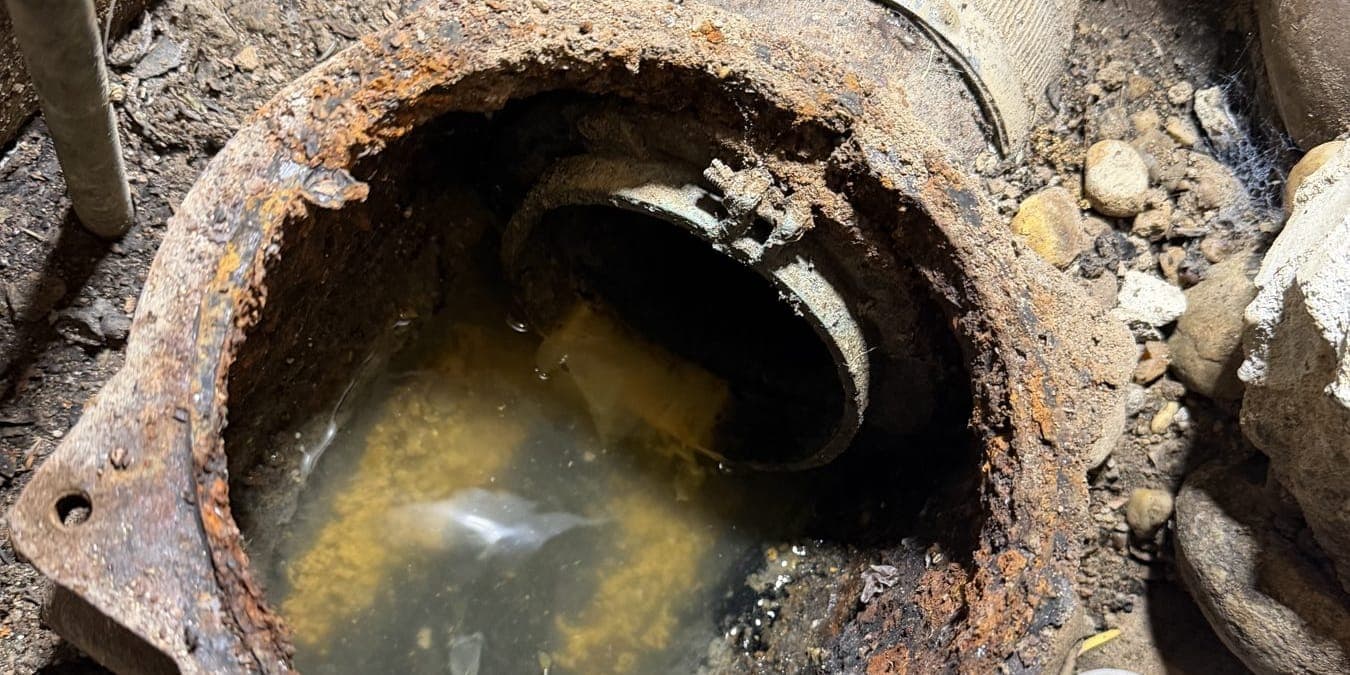
- Look at the house trap or cleanout. A house trap always holds a little water by design; what matters is whether it is backed up. If water is standing above the trap or rising out of the cleanout, the blockage is at the trap or downstream of it, in the lateral or the main. If the trap and cleanout are not backed up and water flows through normally, the problem is inside the house.
- Get a camera in. A sewer camera inspection from the cleanout shows whether the blockage is in your lateral, at the connection, or beyond it in the main. The 512 Hz sonde marks the spot and depth from above ground.
- Keep the footage. If the problem is in the public main, footage of a clear lateral up to the connection is useful when you contact the authority.
What usually goes wrong with a Nassau lateral
Much of Nassau was built out in the 1940s and 1950s, and many laterals are original: clay, cast iron or Orangeburg. Valley Stream’s guide notes that the average home there still has its original lateral from the 1950s. Common problems are roots at the joints, offset joints in settled sand, bellies that hold waste, grease, and in Orangeburg, flattening. We cover the signs in signs your sewer line is failing in an older Long Island home.
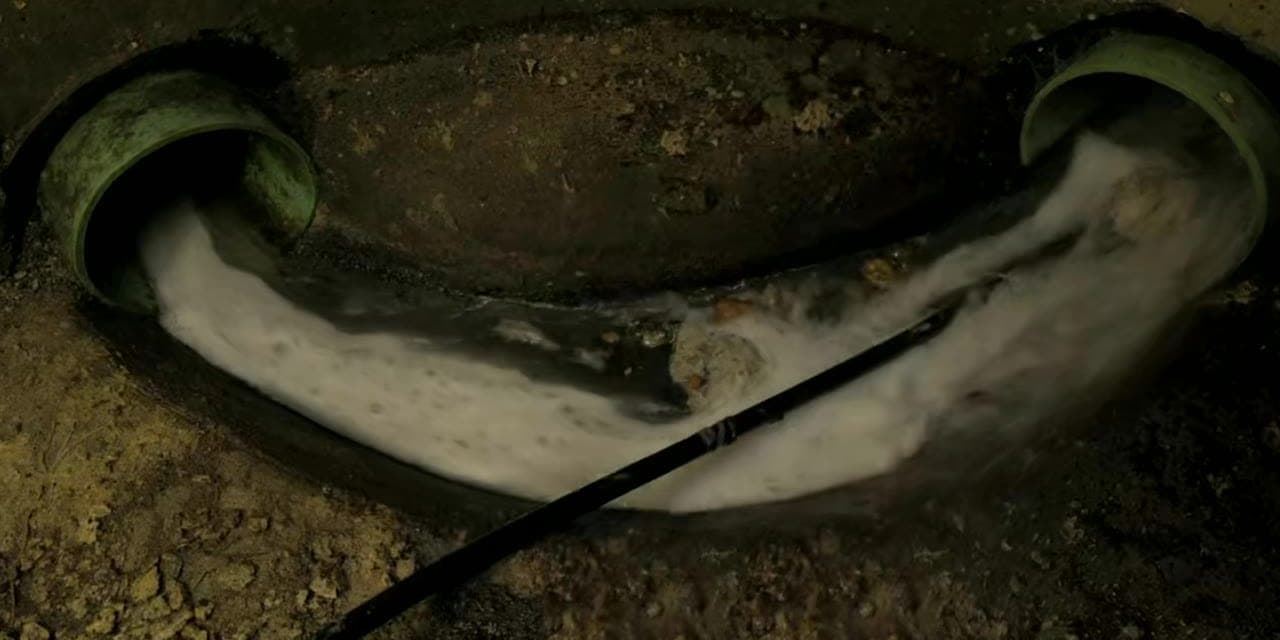
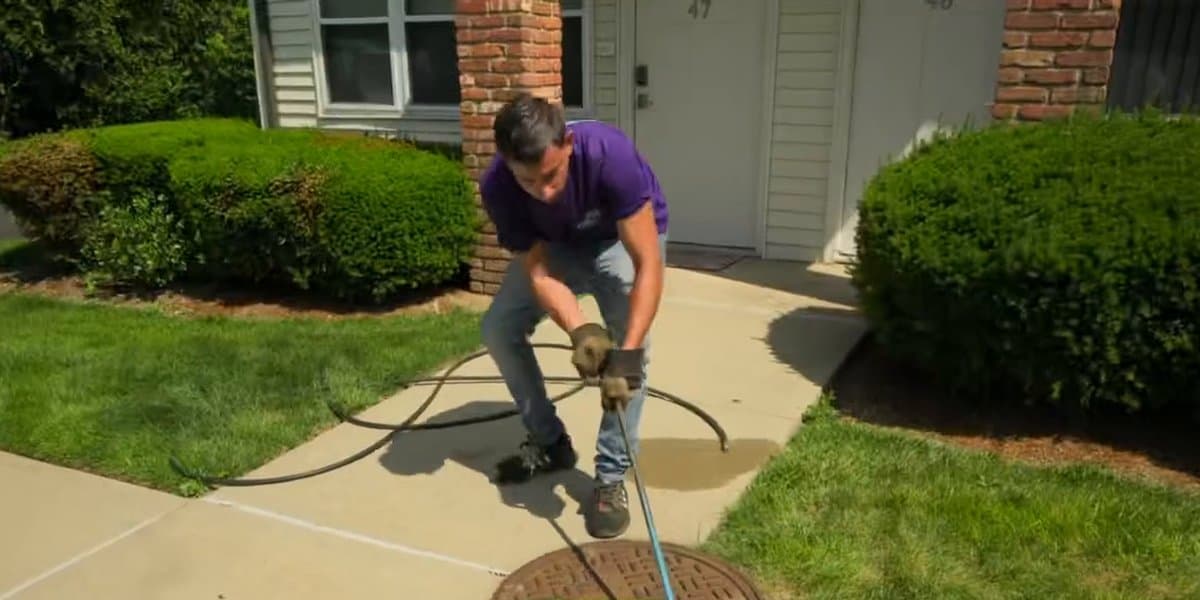
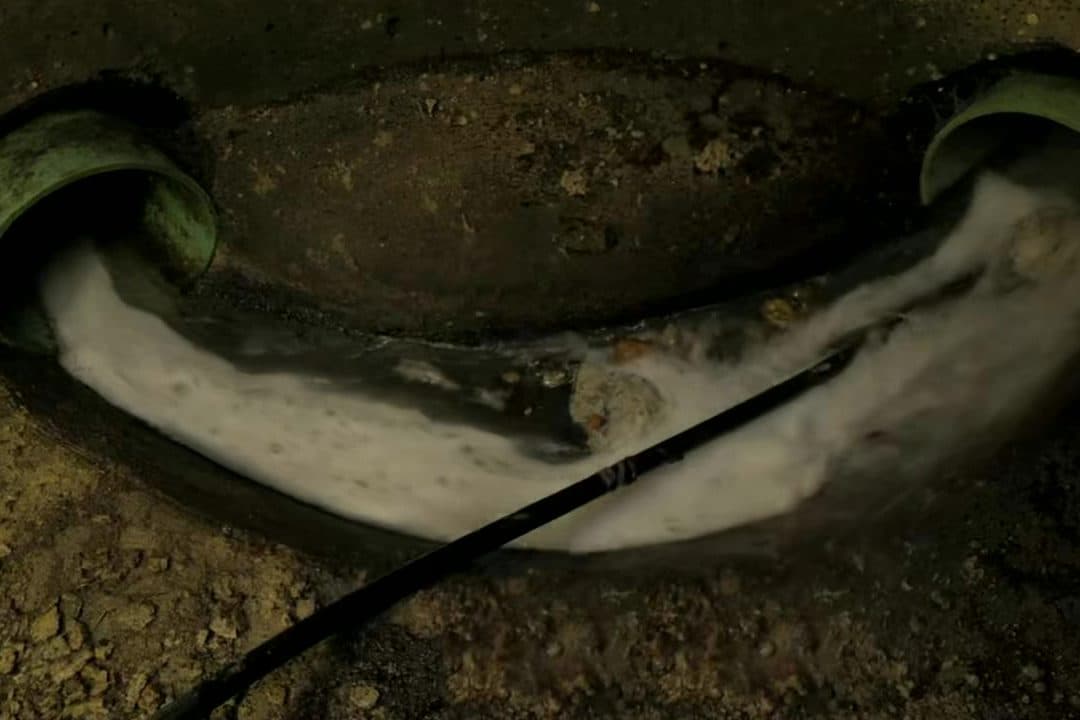
Many of these are cleaning problems, not digging problems. Sewer line cleaning with a 4000 PSI jetter clears roots and grease wall to wall, and the camera confirms the result.
Rules worth knowing
- No sump pumps or roof drains into the sanitary sewer. Valley Stream’s guide lists sump pump connections as illegal, and extra rainwater in the sewer is a major cause of overflows in storms. See sewer backup in heavy rain on the South Shore.
- Work in the road needs permits. Opening a street or sidewalk to reach a lateral or the main requires permits from whoever owns the road, plus your sewer authority’s sign-off on the connection.
- Insurance often doesn’t cover it. Island Park’s FAQ says laterals are typically not covered by homeowner’s insurance. Check your policy for a sewer backup or service line endorsement before you need it.
- Some villages offer lateral programs. Valley Stream and Island Park run optional lateral repair programs. Ask your village whether one exists where you live.
Buying in Nassau?
The lateral transfers with the house, and a seller’s disclosure rarely says anything about it. Put a camera inspection of the lateral in your inspection period. Read buying a house on Long Island: get the sewer line inspected before you close, and use our home buyer tools to plan the checks.
Questions we get
Who is responsible for the sewer line from my house to the street in Nassau County?
In most of Nassau, the homeowner is responsible for the lateral from the house to the public main, and the county, village or sewer district maintains the main. The exact boundary varies by sewer authority, so confirm it with yours.
Is the pipe under the sidewalk and street mine?
It depends on your district. Some programs define the owner’s lateral as ending at the curb line, while others treat the whole run to the main as private. Ask your sewer authority or village before any work in the road.
How do I know if the backup is in the county main or my lateral?
If neighbors are backing up too or a street manhole is full, suspect the main and call the sewer authority. If only your house is affected and the house trap is full, the blockage is usually in your lateral. A camera inspection confirms it.
Does homeowner’s insurance cover a broken sewer lateral?
Often not. Standard policies frequently exclude it unless you added a sewer backup or service line endorsement. Read your policy or ask your agent.
What does it cost to clear or repair a sewer lateral?
Clearing depends on the blockage and access; the emergency cost calculator shows likely ranges. Repairs are priced from the camera footage, and you approve every price before work starts.