A general home inspection looks at what you can see. The systems that cost the most to fix on an estate property are buried: the pipes leaving the house, the cesspools or tanks, and the leaching field. On the East End and on the Gold Coast of the North Shore, they are almost always private. This checklist builds on our general guide, buying a house on Long Island: get the sewer line inspected before you close.
Why these markets are different
- Few sewers. Suffolk County says nearly 70% of its homes use cesspools and septic systems, and the East End is overwhelmingly unsewered. In Nassau, the Long Island Sound Study estimates some 40,000 homes and small businesses still use cesspools or septic tanks, mostly from Kings Point to Oyster Bay.
- More than one system. Pool houses, guest cottages, staff quarters and detached studios may have their own system, or may be tied into the main one in ways nobody wrote down.
- Older estates. Original block cesspools and cast iron drains can sit under homes that have been renovated beautifully above ground.
- Seasonal loads. A house that is empty in winter and full every summer weekend puts heavy, bursty loads on a system.
- Water nearby. Waterfront lots and high groundwater limit how well a system can drain and what can be built there.
The checklist
1. Records
- Ask the Suffolk County Department of Health Services (or Nassau County, for North Shore homes) for what is on file for the property. The Suffolk Office of Wastewater Management handles system approvals.
- Get the certificate of occupancy and confirm the number of bedrooms it allows. System sizing and rules follow bedroom count.
- Ask for permits and as-built drawings for any system work, and when each system was last pumped and by whom.
- If there is an I/A system, ask for its service contract and maintenance records, and whether the contract transfers. The US EPA notes that systems with pumps and mechanical parts are generally inspected once a year.
2. Every system on the property
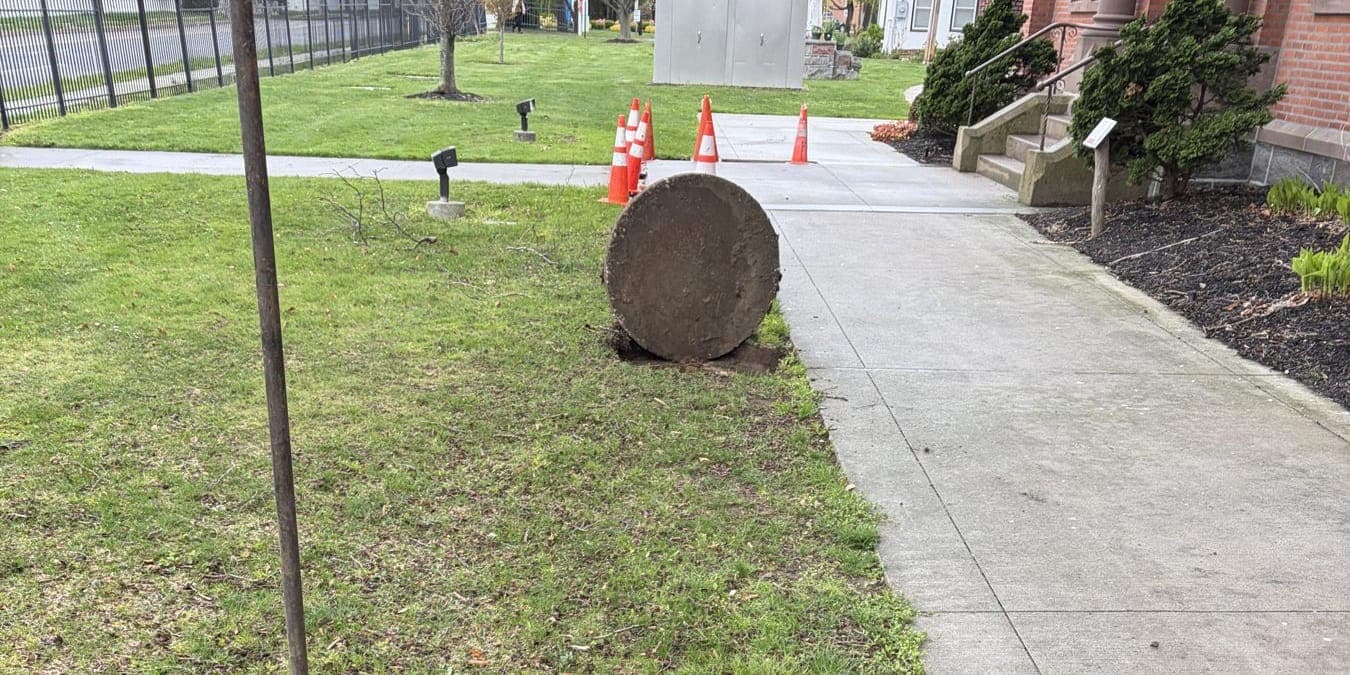
- Locate every cover, tank and pool, including ones that may be abandoned. Expect more than one on a large lot.
- Confirm which buildings drain where: main house, pool house, cottage, garage apartment.
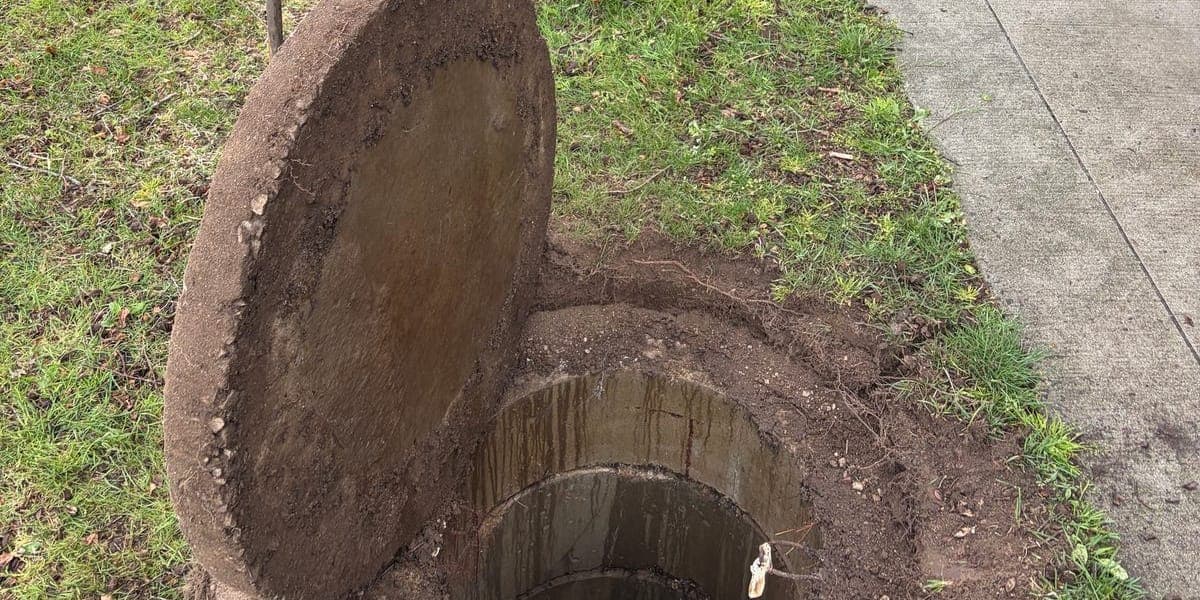
- Have the structures opened and assessed from the surface: walls, covers, inlets, liquid levels. Read cesspool collapse warning signs for what a failing structure looks like.
- Note anything built over a system: driveways, patios, pools, specimen trees.
3. Every line
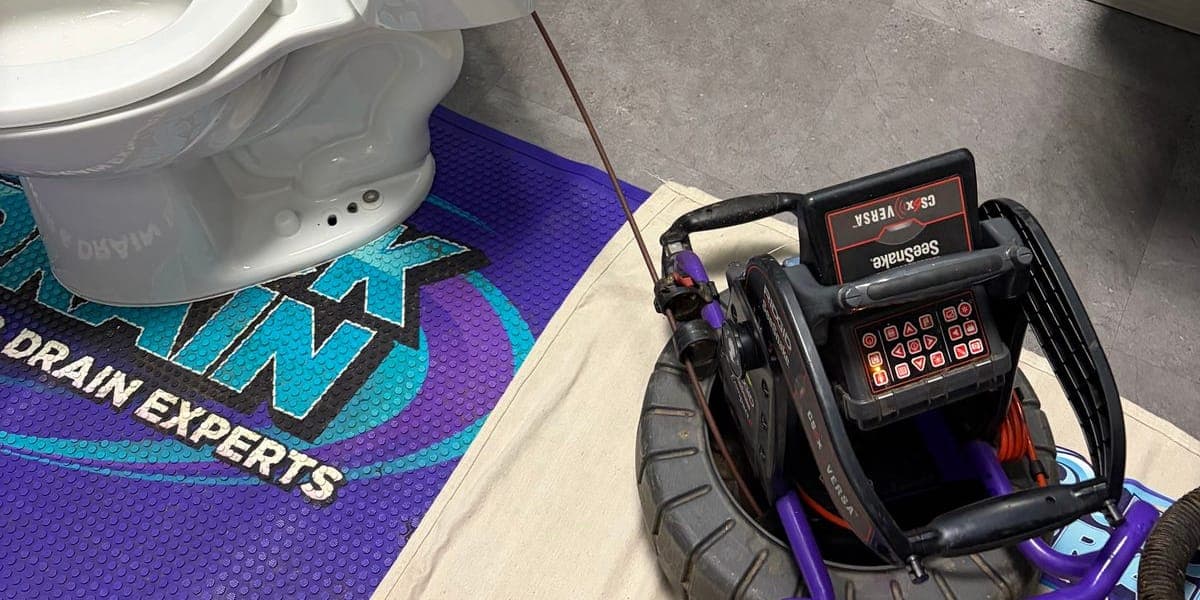
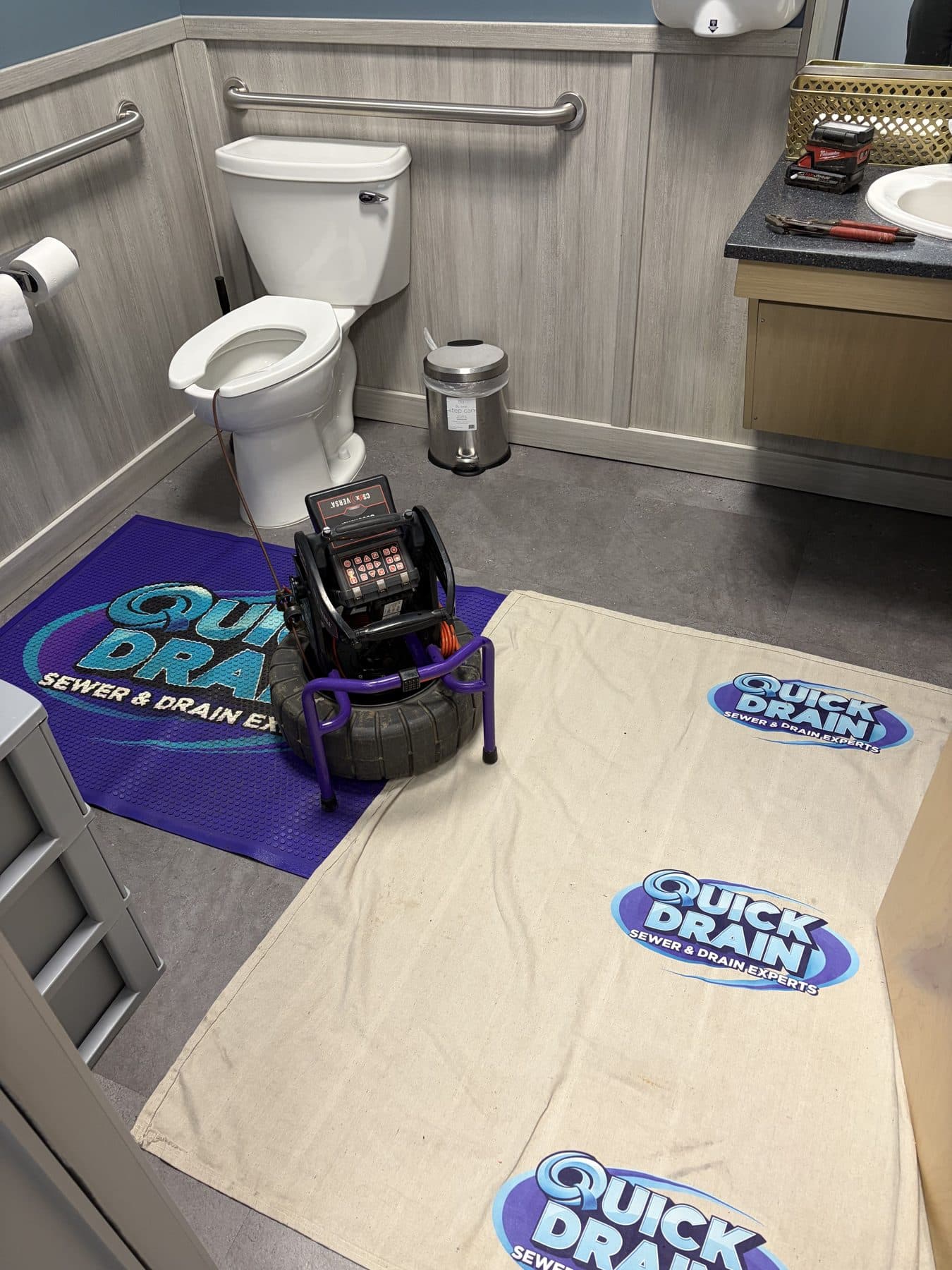
- Camera the line from each building to its system. A sewer camera inspection shows roots, offsets, bellies, cracks and old Orangeburg pipe.
- Use the 512 Hz sonde to map each line’s path and depth, so you know what is under the lawn, the pool deck and the driveway before you plan anything.
- Look at the cast iron inside the house too: descaled or replaced, or original? See cast iron drain pipes: descale, line or replace.
- Keep the footage. It is a baseline for the life of your ownership.
4. Your plans
- Adding bedrooms, replacing the house or a major expansion can trigger a requirement for a new nitrogen-reducing I/A system under Suffolk’s sanitary code, and some towns have their own rules on top.
- Plan additions, pools and landscaping around where the system and lines actually are, not where a survey guesses they are.
- If an upgrade is likely, check grant eligibility early. Suffolk’s program and the state fund can help existing homes; see Suffolk County septic improvement program grants, explained. Southampton, East Hampton and Shelter Island also run Community Preservation Fund programs, according to the state’s septic replacement fund page.
Questions to ask the seller
- How many systems are there, where are they, and what does each building drain to?
- When were they last pumped, inspected or repaired, and by whom?
- Has any part of the system or the lines ever been replaced? Are there permits?
- Have there been backups, odors, wet spots or sinking areas in the yard?
- Is there an I/A system, and is its service contract current and transferable?
- How was the house used: full-time, or seasonal with heavy summer weekends?
Timing it inside your contract
Book the sewer and septic inspection as early in the inspection period as you can. Locating several systems on a big property takes time, a seasonal house may need the water turned on first, and if the findings change the deal you want room to negotiate or bring in a designer. Our home buyer tools help you plan the checks, and our What’s Under My Home? tool is a quick first look at what an address likely has.
What a pre-purchase inspection from Quick Drain includes
- Locating the system or systems and the lines to them, marked on the ground with depth.
- Opening and assessing structures from the surface.
- Camera footage of each line you can keep, with a plain-English explanation.
- A condition report for your attorney, lender, insurer or the town.
If something needs attention, we explain every option, including what can wait. For a backup that happens during the deal, call (631) 888-6200, 24/7, and see the emergency cost calculator for likely ranges.
Questions we get
Are Hamptons homes on sewers?
Very few are. Most homes on the East End use cesspools, septic systems or newer I/A systems, so the system and the lines to it come with the house and should be inspected before you buy.
Do North Shore estates have septic systems?
Many do. The Long Island Sound Study estimates some 40,000 Nassau homes and small businesses still use cesspools or septic tanks, mostly from Kings Point to Oyster Bay. Check the records and inspect before closing.
Will my renovation require a new septic system?
In Suffolk, adding bedrooms, replacing the house or certain major expansions can require a nitrogen-reducing I/A system, and some towns have additional rules. Ask the county Office of Wastewater Management and your town before you buy.
Does a pool house or guest cottage have its own septic system?
Sometimes it has its own, and sometimes it is tied into the main system. An inspection that traces each building’s line answers that for certain.
What does a home general inspection miss?
Usually everything underground: the condition of the drain lines leaving the house and the cesspool or septic system. A camera inspection and system inspection cover what a general inspection can’t see.